
Introduction to CT Brain
A CT brain scan is a special test that uses X-rays to take detailed pictures of your brain. Doctors often use a CT brain scan to check for problems like injuries, strokes, or tumors. Because it gives clear images, it helps doctors make quick and accurate decisions. If you hear the term “CT brain,” it means a scan focused on your head and brain.
Common Reasons for a CT Brain Scan
Doctors may suggest a CT brain scan for many reasons. For example, if you have a head injury, a sudden headache, or confusion, a scan can help find the cause. Sometimes, it is used to check for bleeding, swelling, or infections in the brain. Here are some common reasons:
In many cases, doctors order a CT scan for head injury to rule out serious problems quickly.
How the CT Brain Procedure Works
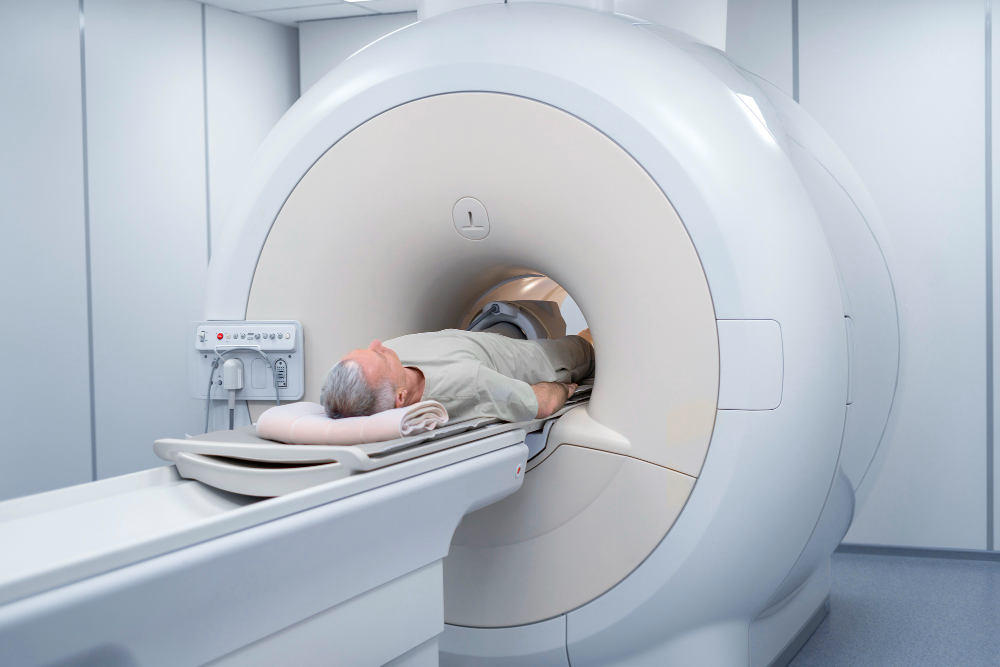
First, you will be asked to lie down on a table. The table then moves slowly into a large, donut-shaped machine. The CT scanner takes many X-ray pictures from different angles. These pictures are combined by a computer to create clear images of your brain. Sometimes, a special dye called contrast may be used to make certain areas show up better. The whole CT brain procedure usually takes less than 15 minutes.
What to Expect Before, During, and After the Scan
Before the Scan
During the Scan
After the Scan
Safety, Risks, and Benefits
CT brain scans are generally safe. However, they use a small amount of radiation. For most people, the benefits outweigh the risks. The scan helps doctors find serious problems quickly. If you are pregnant or think you might be, tell your doctor before the scan. Rarely, some people may have an allergic reaction to the contrast dye. But, medical staff are ready to help if this happens.
Preparation Tips and Aftercare
Frequently Asked Questions
Conclusion
In summary, a CT brain scan is a safe and quick way to check for brain problems. It helps doctors find the cause of symptoms like headaches or injuries. If you have questions or need a scan, consult a radiologist or healthcare provider at TRIVENI DIAGNOSTICS AND IMAGING CENTRE for personalized advice.