Introduction
A CT chest scan is a special imaging test that helps doctors see inside your chest. It uses X-rays and a computer to create clear pictures of your lungs, heart, and other chest organs. Many people need a CT chest to check for problems like infections, tumors, or injuries. In this blog, you will learn what to expect, the benefits, and how safe a CT chest scan is.
What Is a CT Chest Scan?
A CT chest scan, also called a chest CT scan, is a painless test. It takes many X-ray images from different angles. Then, a computer puts these images together to make detailed pictures of your chest. Doctors use this test to look for lung diseases, heart problems, or other chest issues. Unlike a regular X-ray, a CT chest scan gives much more detail. This helps doctors find problems early and plan the best treatment.
When Is a CT Chest Scan Needed?
Doctors may order a CT chest scan for many reasons. For example, you might need one if you have:
Sometimes, a CT chest scan helps check if a treatment is working. It can also guide doctors during certain procedures.
How to Prepare for a CT Chest
Preparing for a chest CT scan is simple. Still, you should follow your doctor’s instructions. Here are some tips:
Always ask your healthcare provider if you have questions about preparation.
What Happens During the Procedure?
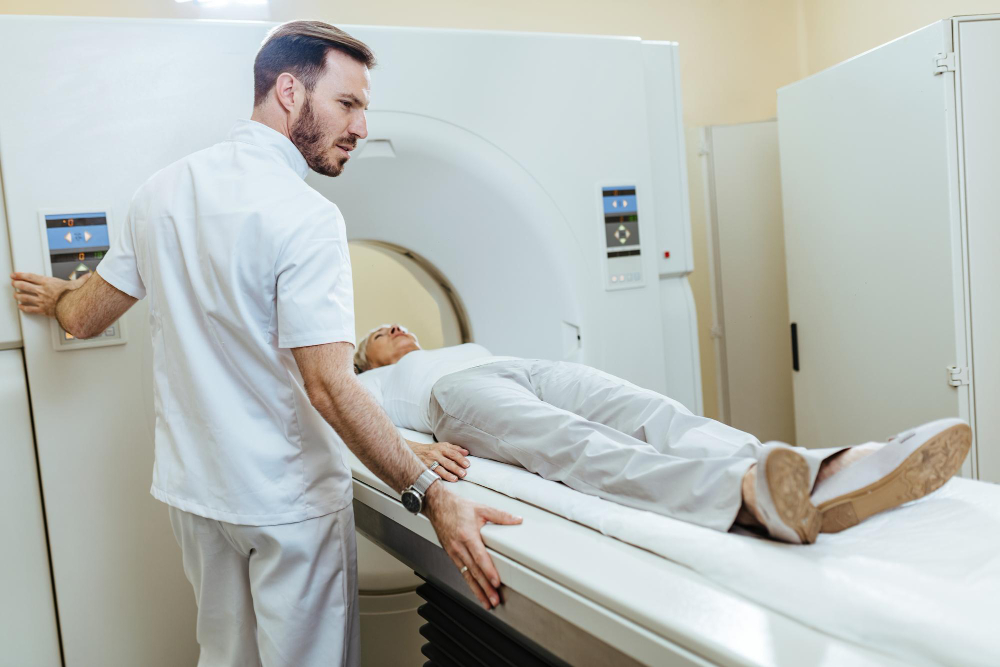
First, a technologist will greet you and explain the process. Next, you will lie on a table that slides into the CT scanner. The scanner looks like a large ring or donut. Sometimes, you may get a contrast dye through a vein in your arm. This dye helps highlight certain areas. The technologist will ask you to hold your breath for a few seconds during the scan. The table will move slowly through the scanner. The scan itself usually takes less than 10 minutes. Afterward, you can get up and go about your day.
Benefits of a CT Chest
A CT chest scan offers many advantages. For instance, it provides clear, detailed images of your chest organs. This helps doctors find problems that regular X-rays might miss. Also, it can detect diseases early, which can lead to better treatment. Some key benefits include:
Because of these benefits, a chest CT scan is a valuable tool for doctors.
Risks and Safety Considerations
Like all X-ray tests, a CT chest scan uses a small amount of radiation. However, the risk is low. According to the World Health Organization (WHO) and the Centers for Disease Control and Prevention (CDC), the benefits of a CT scan often outweigh the risks. Still, it is important to avoid unnecessary scans. Pregnant women should tell their doctor before having a CT chest. Rarely, some people may react to the contrast dye. Signs of a reaction include itching, rash, or trouble breathing. If you have kidney problems, let your doctor know before the test. Overall, CT chest scans are considered safe when used properly.
After the Scan
After your CT chest scan, you can usually return to normal activities right away. If you received contrast dye, drink plenty of water to help flush it out. Your doctor will review the images and discuss the results with you. Sometimes, you may need more tests or follow-up visits. If you feel unwell after the scan, contact your healthcare provider.
Frequently Asked Questions
Conclusion and Call-to-Action
In summary, a CT chest scan is a safe and useful test for finding chest problems. It helps doctors make better decisions about your care. If you have symptoms or concerns, do not wait. Consult TRIVENI Diagnostics and Imaging Centre to learn if a CT chest scan is right for you. Our expert radiologists are here to provide accurate results and guide you toward the best course of action for your health.