
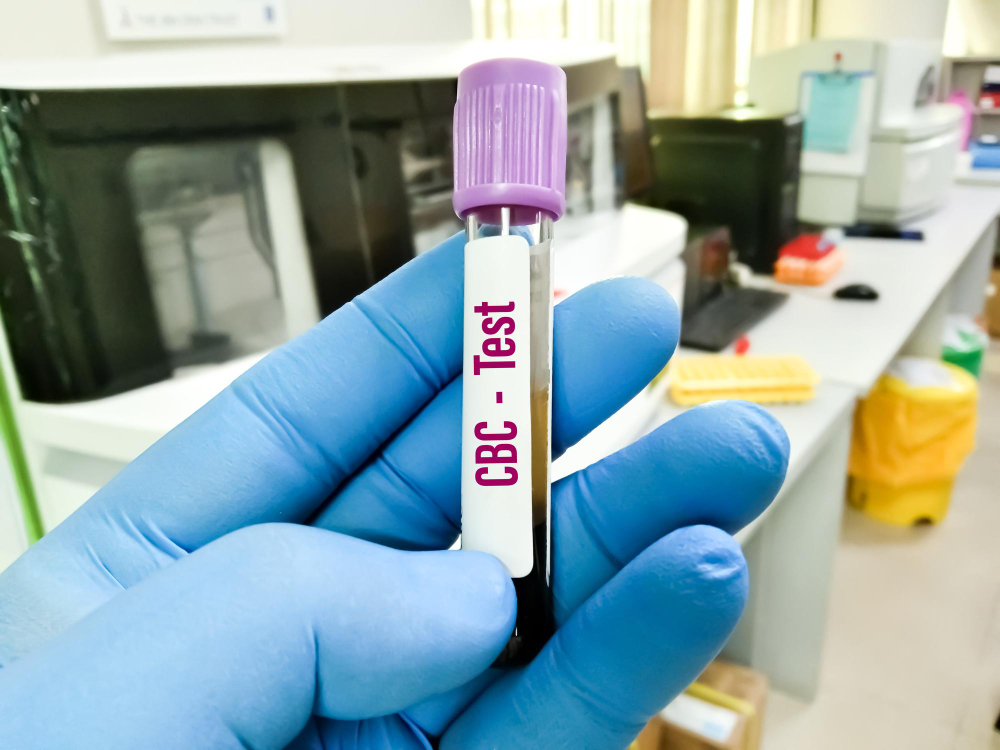
What Is a Complete Blood Count (CBC) Test?
A Complete Blood Count (CBC) Test is a simple blood test. It checks the levels of different cells in your blood. Doctors use it to look at your overall health. For example, this test can help find infections, anemia, and other blood health indicators. The CBC test meaning is easy to understand. It gives a snapshot of your blood’s health. Many clinics and hospitals in cities like New York and Los Angeles offer this test.
Why Is a CBC Test Done?
Doctors order a CBC test for many reasons. Sometimes, you may feel tired or weak. In other cases, you might have an infection or unexplained bruising. Because the CBC test checks many blood health indicators, it helps find the cause of your symptoms. Additionally, it can monitor ongoing health conditions or track how treatments are working. For example, people with chronic diseases may need regular CBC tests.
Key Components of a CBC Report
Understanding blood test results can feel confusing. However, knowing the main parts of a CBC report helps. Each part gives important information about your blood health indicators. Here are the key components:
In addition, some reports include details like Mean Corpuscular Volume (MCV), which shows the size of your red blood cells.
What Do CBC Results Mean?
Normal CBC values can vary by age, sex, and location. However, most labs use similar ranges. If your results are outside these ranges, it does not always mean you are sick. Sometimes, small changes are normal. For example, a mild increase in white blood cells may happen after exercise. Still, large changes may signal a health problem.
Doctors look at all your CBC test results together. They also consider your symptoms and medical history. This helps them understand your blood test results better.
Common Causes of Abnormal CBC Results
Sometimes, CBC results are not within the normal range. There are many reasons for this. For instance, infections, vitamin deficiencies, or certain medicines can change your blood health indicators. In rare cases, blood cancers or bone marrow problems may affect your CBC test.
Because many things can affect your CBC, doctors may order more tests if results are abnormal.
How to Prepare for a CBC Test
Preparing for a CBC test is easy. In most cases, you do not need to fast. However, your doctor will tell you if you need to avoid food or drinks before the test. You should let your doctor know about any medicines or supplements you take. This is important because some medicines can change your blood test results.
After the test, you can usually return to your normal activities right away.
Frequently Asked Questions About CBC Tests
Many people have questions about CBC tests. Here are some common ones:
For more information, you can visit trusted sources like the CDC or WHO websites. These organizations offer up-to-date facts about blood tests and health indicators.
Conclusion
If you need a Complete Blood Count test, TRIVENI DIAGNOSTICS AND IMAGING CENTRE is here to help. Book your CBC test today for clear answers about your blood health.