
(CTCA): Procedure, Benefits, and Risks
Introduction
CT Coronary Angiography (CTCA) is a non-invasive heart imaging test. It helps doctors see the blood vessels that supply your heart. Because heart disease is common, CTCA is important for early detection. Many people want to know what to expect, the benefits, and the risks. This guide explains CTCA in simple terms.
What is CT Coronary Angiography (CTCA)?
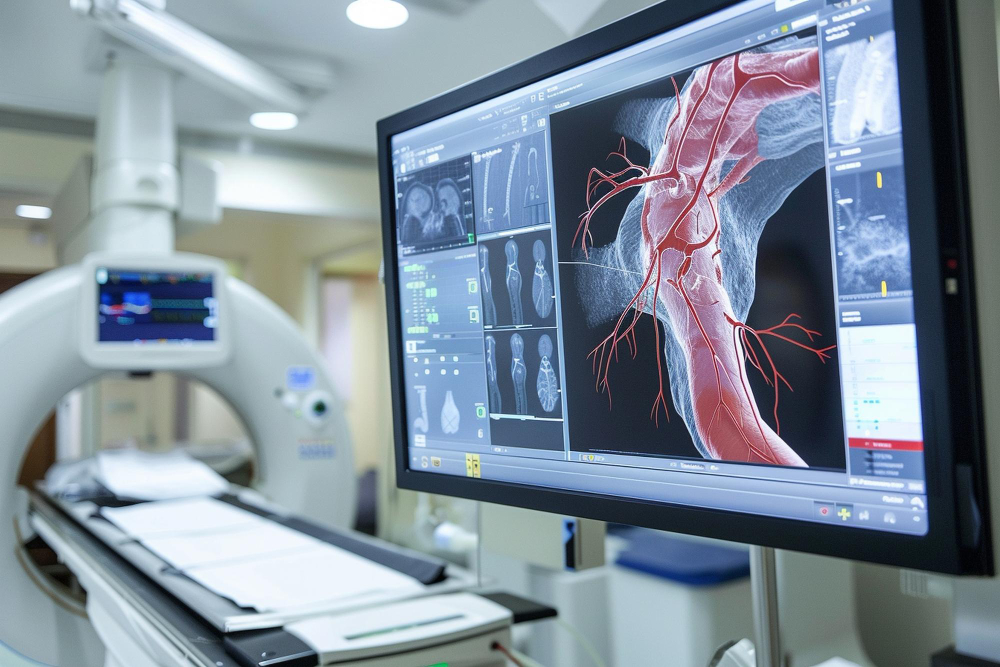
CTCA uses a special X-ray machine called a CT scanner. It takes detailed pictures of your heart’s blood vessels. Unlike traditional angiography, CTCA does not require a tube in your artery. Instead, it uses a small needle in your arm. As a result, CTCA is less risky and more comfortable for most people. Doctors use CTCA to look for blockages or narrowing in the heart arteries.
Why is CTCA Performed?
Doctors recommend CTCA for several reasons. For example, it helps find the cause of chest pain. It also checks for heart disease in people with risk factors. CTCA is useful if you have:
Because CTCA is non-invasive, it is safer than some other tests. It can help your doctor decide if you need more treatment. According to the American Heart Association, CTCA can detect heart disease early. Early detection often leads to better outcomes.
How to Prepare for a CTCA
Proper preparation helps the CTCA procedure go smoothly. Your healthcare team will give you instructions. Usually, you should:
Sometimes, you may need to stop certain medicines before the test. Always follow your doctor’s advice for CT coronary angiogram preparation.
What Happens During the CTCA Procedure?
First, a nurse will place a small needle in your arm. This is for the contrast dye, which helps show your heart vessels clearly. Next, you will lie on a table that slides into the CT scanner. The staff will attach small pads to your chest to monitor your heart rate.
During the scan, you may need to hold your breath for a few seconds. The scan itself takes only a few minutes. However, the whole visit may last about an hour. After the scan, you can usually go home the same day.
Risks and Limitations of CTCA
Although CTCA is safe for most people, it does have some risks. For instance, you are exposed to a small amount of radiation. Some people may react to the contrast dye. Reactions are rare but can include:
CTCA may not be suitable for everyone. For example, people with irregular heartbeats or severe kidney problems may need other tests. Also, CTCA cannot treat blockages; it only helps find them.
After the Procedure: What to Expect
After CTCA, you can usually return to normal activities. Drink plenty of water to help flush the dye from your body. If you feel unwell or notice any unusual symptoms, contact your doctor right away. Your doctor will discuss the results with you, often within a few days.
Frequently Asked Questions
Conclusion and Call-to-Action
CT Coronary Angiography (CTCA) is a safe, non-invasive heart imaging test. It helps doctors find heart problems early. While there are some risks, most people tolerate the test well.If you have questions about CTCA or believe you may need one, consult Triveni Diagnostics and Imaging Centre for expert guidance on whether CT Coronary Angiography is right for you.