
Introduction
A mammogram is a special X-ray that checks breast tissue for signs of cancer or other problems. Many people wonder what a mammogram is, how the mammogram procedure works, and why mammogram screening is important. In this blog, you will learn about each step, from preparation to understanding results. Knowing about mammograms can help you feel more confident and prepared.
What is a Mammogram?
A mammogram is a low-dose X-ray of the breast. It helps doctors find changes or lumps that may not be felt during a regular exam. Usually, mammograms are used to screen for breast cancer. Sometimes, they help check breast problems if you have symptoms.
Why Are Mammograms Important?
Mammograms can find breast cancer early, often before you notice any signs. Early detection makes treatment easier and more successful. In fact, the Centers for Disease Control and Prevention (CDC) and World Health Organization (WHO) recommend regular mammogram screening for women in certain age groups. Because of this, mammograms save lives.
Who Should Get a Mammogram?
Doctors usually suggest mammograms for women aged 40 and older. However, some women may need them earlier if they have a family history of breast cancer or other risk factors. You should talk to your healthcare provider to decide when to start and how often to get a mammogram.
How to Prepare for a Mammogram
Preparing for a mammogram is simple. Still, a few steps can help make the process smoother. For example, avoid using deodorant, lotion, or powder on your chest or underarms on the day of your test. These products can show up on the X-ray and cause confusion. Wear a two-piece outfit so you only need to remove your top. Bring any past mammogram images if you have them. This helps the doctor compare results.
What to Expect During the Procedure
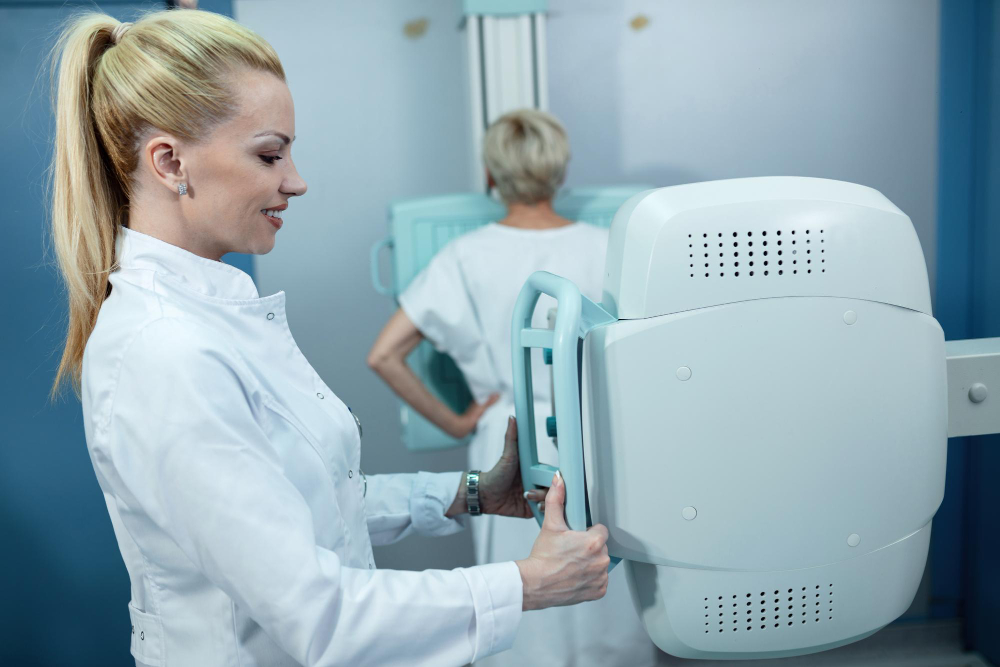
During a mammogram, a technician will help you position your breast on a flat surface. Next, a plastic plate presses your breast gently but firmly. This spreads the tissue for a clear image. Although you may feel some pressure or discomfort, the test only takes a few minutes. The technician will take images from different angles. After that, you can get dressed and return to your normal activities.
Understanding Mammogram Results
After your mammogram, a doctor called a radiologist reviews the images. You will usually get your results within a few days. The report may say your mammogram is normal, or it may show changes that need more tests. If something looks unusual, it does not always mean cancer. Sometimes, more images or an ultrasound are needed to be sure.
Risks and Limitations of Mammograms
While mammograms are safe, they do use a small amount of radiation. The risk is very low, but it is important to know. Sometimes, mammograms miss cancers or show something that is not cancer (a false positive). This can lead to extra tests. Still, the benefits of early detection usually outweigh these risks.
Tips for a Comfortable Mammogram Experience
Frequently Asked Questions
Conclusion
In summary, a mammogram is a key tool for finding breast problems early. Because early detection can save lives, regular screening is important. Consult a healthcare provider at TRIVENI DIAGNOSTICS AND IMAGING CENTRE to learn if a mammogram is right for you.