
What is a Carotid Doppler?
A Carotid Doppler is a simple, non-invasive neck artery test. It uses sound waves to create pictures of the carotid arteries in your neck. These arteries carry blood from your heart to your brain. Because blockages here can cause strokes, this test is important for stroke risk assessment. Doctors often call this test a carotid artery ultrasound.
Why is Carotid Doppler Important for Stroke Prevention?
Strokes happen when blood flow to the brain is blocked. Often, fatty deposits or clots in the carotid arteries are the cause. Therefore, a Carotid Doppler helps find these blockages early. Early detection means doctors can act before a stroke occurs. In fact, the Centers for Disease Control and Prevention (CDC) states that stroke is a leading cause of death and disability. So, checking your neck arteries can help prevent stroke and protect your health.
Who Should Get a Carotid Doppler?
Not everyone needs this test. However, your doctor may suggest it if you:
Additionally, people over 65 or those with certain risk factors may benefit from a stroke risk assessment. If you are unsure, ask your doctor if a Carotid Doppler test near you is needed.
How is the Carotid Doppler Test Performed?
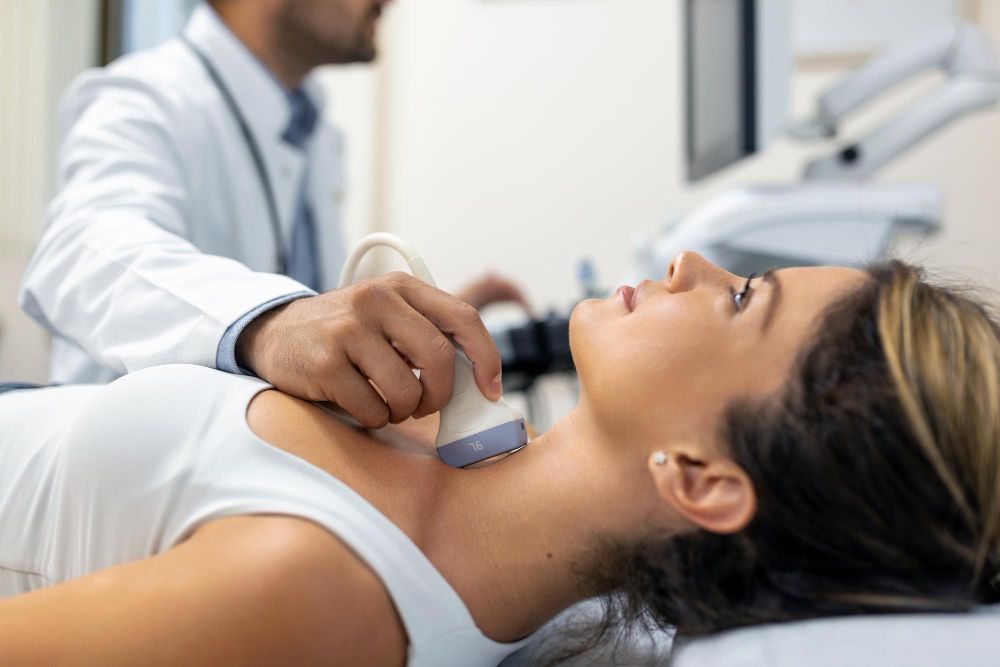
The Carotid Doppler is quick and painless. A trained technician uses a small device called a transducer. This device sends sound waves into your neck. The waves bounce off your arteries and return to the machine. Then, the machine creates images of your blood flow. The test usually takes about 30 minutes. Because it does not use needles or radiation, it is very safe.
What to Expect: Preparation and Procedure
Before the test, you do not need to do much. However, you may be asked to avoid wearing necklaces or turtlenecks. During the test:
After the test, you can return to your normal activities right away. There is no recovery time needed.
Understanding Your Results
After the test, your doctor will review the images. The results show if your arteries are clear or if there are any blockages. If a blockage is found, your doctor will discuss next steps. Sometimes, more tests or treatments are needed. In many cases, lifestyle changes or medicines can help lower your stroke risk. Your doctor will explain what your results mean for you.
Risks and Safety of Carotid Doppler
Carotid Doppler is very safe. Because it uses sound waves, there is no radiation. Most people feel no pain. Rarely, you may feel slight pressure from the device. There are no known long-term risks. According to the World Health Organization (WHO), ultrasound tests like this are safe for most people. If you have concerns, talk to your healthcare provider.
Prevention and Lifestyle Tips for Stroke Risk Reduction
Even if your test is normal, healthy habits can lower your stroke risk. For example:
In addition, knowing your family history and staying informed can help you make smart choices. Early action is key to preventing stroke.
Conclusion
In summary, a Carotid Doppler is a simple way to check your neck arteries for stroke risk. It is safe, quick, and can help prevent serious health problems. If you have risk factors or concerns, book your Carotid Doppler test at Triveni Diagnostics to determine if it’s right for you.