What Is Fatty Liver?
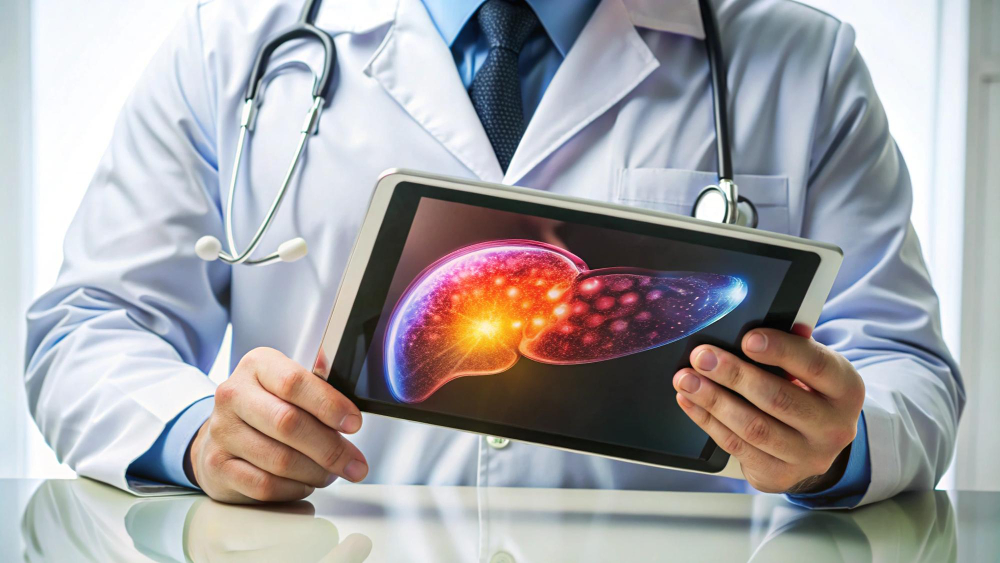
Fatty liver happens when extra fat builds up in liver cells. The liver is a key organ that helps your body digest food and remove toxins. Sometimes, fat can collect in the liver even if you do not drink alcohol. This is called nonalcoholic fatty liver disease (NAFLD). Over time, too much fat can harm liver health. If left untreated, it may lead to serious problems like liver damage or scarring. According to the CDC, fatty liver is becoming more common in both adults and children.
Why Is Fatty Liver Screening Important?
Early detection is important for liver health. Screening for fatty liver helps find problems before they get worse. For example, you may not notice any symptoms at first. However, fatty liver can still cause silent damage. With screening, doctors can spot issues early and suggest changes to protect your liver. In addition, regular checks help track your progress if you already have liver concerns. The World Health Organization (WHO) notes that early care can prevent serious liver disease.
Who Should Get Screened for Fatty Liver?
Not everyone needs fatty liver screening. However, some people have a higher risk. If you have any of the following, you may need screening:
Additionally, your doctor may recommend screening if you have other risk factors. Children with obesity may also need checks. Always talk to your healthcare provider about your personal risk.
How Is Fatty Liver Screening Done?
Doctors use several methods for fatty liver screening. Each test helps check liver health in a different way. Common screening methods include:
For most people, an ultrasound and blood tests are the first steps. More tests may be needed if results are unclear.
What to Expect During a Fatty Liver Screening
Screening is simple and does not take long. For blood tests, a nurse will draw a small sample from your arm. This is quick and usually painless. If you need an ultrasound for fatty liver, you will lie on a table while a technician moves a small device over your belly. The test is safe and does not hurt. Sometimes, you may need to avoid eating for a few hours before the test. Your doctor will explain any special steps to follow. Most people can return to normal activities right after screening.
Understanding Your Screening Results
After screening, your doctor will review the results with you. If tests show extra fat in your liver, it does not always mean you have liver damage. However, it is a sign to watch your liver health closely. Sometimes, blood tests may show high liver enzymes. This can mean your liver is stressed or inflamed. In some cases, imaging tests may show scarring or other changes. Your doctor will explain what each result means and if you need more tests. Early changes can often be managed with healthy habits.
Next Steps After Screening
If your fatty liver screening shows problems, your doctor will guide you on what to do next. Often, simple changes like eating a balanced diet, being active, and losing weight can help. For some people, regular follow-up tests are needed to check progress.
Book an appointment at TRIVENI DIAGNOSTICS AND IMAGING CENTRE for screeing of liver.